
Verruca Needling
Verrucae (Warts)
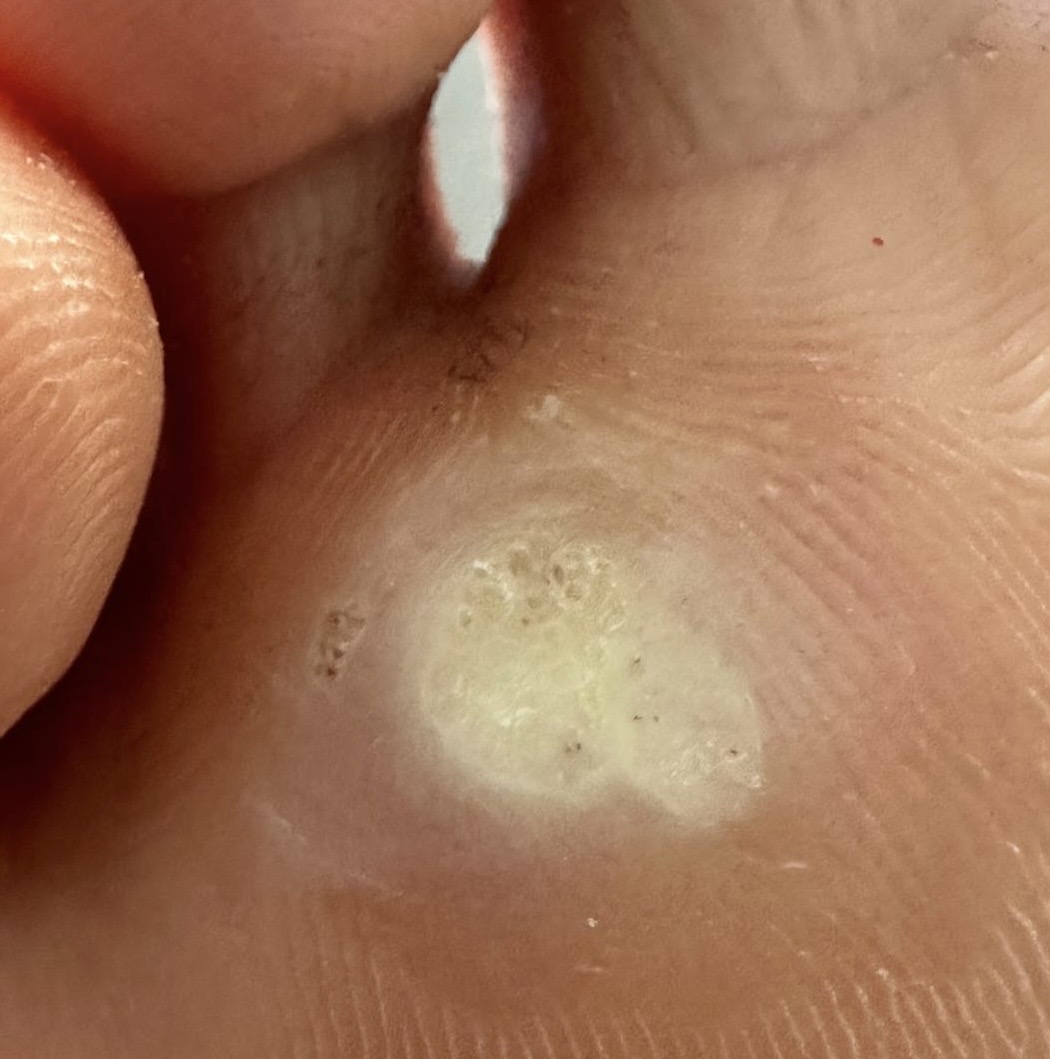
A Treatment Option for Persistent Verrucae
If you have a verruca that has persisted for months or even years, verruca needling may be a treatment option worth considering.
At Podcura Podiatry, verruca needling is offered following a thorough assessment to determine whether it is appropriate for your individual circumstances. The procedure is most commonly considered for persistent or treatment-resistant verrucae that have not responded to previous management approaches.
What Is Verruca Needling?
Verruca needling is a minor procedure performed under local anaesthetic. Once the area is numb, the verruca is treated using a specialised needling technique designed to expose viral tissue to deeper layers of the immune system.
The aim is to stimulate the body’s immune response to the virus responsible for the verruca.
The procedure is performed in a clinical setting under strict infection control conditions and is usually completed within a single appointment.
Who Might Benefit From Verruca Needling?
Verruca needling may be considered for patients who:
- Have had a verruca for a long period of time
- Have tried other treatments without success
- Have a painful verruca affecting daily activities
- Have multiple verrucae that have proved difficult to manage
- Are looking to discuss alternative treatment options
Not all verrucae require needling treatment, and many will resolve naturally over time. During your assessment, all appropriate management options will be discussed.
What Happens During the Procedure?
Before Treatment
Your appointment will include:
- A full clinical assessment
- Review of your medical history
- Discussion of previous treatments
- Explanation of risks, benefits and alternatives
- Opportunity to ask questions
During Treatment
A local anaesthetic is administered to numb the area before the procedure. Once comfortable, the verruca is treated using a controlled needling technique. A dressing is then applied, and you’ll receive aftercare advice tailored to your situation.
After Treatment
Patients can return home shortly after the procedure.
You may experience:
- Mild discomfort once the anaesthetic wears off
- Tenderness for a few days
- Temporary limitations to certain activities
Specific aftercare instructions will be provided at your appointment.
Are There Any Risks?
As with any procedure, there are potential risks and complications.
These may include:
- Pain or discomfort after treatment
- Infection
- Delayed healing
- Persistent verruca tissue or non-resolution
- Need for additional treatment
The risks relevant to your individual circumstances will be discussed before any procedure is performed.
Alternatives to Verruca Needling
Depending on your verruca and overall health, alternative management options may include:
- Monitoring and self-care
- Topical treatments
- Debridement
- Other clinic-based treatments
- Referral where appropriate
Treatment recommendations are always tailored to the individual rather than applying a one-size-fits-all approach.
Why Choose Podcura?
At Podcura Podiatry, all patients receive a comprehensive assessment before treatment options are discussed.
You’ll be assessed by Kelly Ashforth, a HCPC-registered podiatrist with experience in managing a wide range of foot conditions.
Our focus is on helping you understand your diagnosis, your options and the most appropriate treatment pathway for your needs.
Frequently Asked Questions
Is verruca needling painful?
The procedure is performed under local anaesthetic, which helps minimise discomfort during treatment. Some tenderness afterwards is normal.
How long does recovery take?
Recovery varies between individuals and depends on the size and location of the verruca. Aftercare advice will be provided following treatment.
Will I need more than one treatment?
This varies from person to person. Some patients require only one procedure, while others may need additional needling procedures to be carried out. Resolution depends on an individual’s immune system response to treatment.
Can children have verruca needling?
Suitability depends on age, medical history and individual circumstances. This can be discussed during an assessment, but typically we do not carry out needling on children under the age of 16 years.
Do I need an assessment first?
Yes. A clinical assessment is required to determine whether verruca needling is an appropriate option for you.
Book an Assessment
If you’re struggling with a persistent or painful verruca, we can help you explore the most appropriate treatment options.
Book an assessment at Podcura Podiatry in Edwalton, Nottingham, and we’ll guide you through your diagnosis, treatment choices and next steps.